Choosing a Reliable Tree Service: What Every Homeowner Should Know
When a storm rolls through or a mature oak starts leaning toward the house, most homeowners realize they need help from someone who knows what they are doing with a chainsaw and a rigging rope. The difference between a decent job and a dangerous one often comes down to the quality of the tree service you hire. Over the years I have seen plenty of well-intentioned DIY attempts go sideways, and I have also watched folks pay good money to crews that left stumps high and damage behind.
So what separates a professional tree service from the rest? Experience matters, but so does the way a crew approaches the work. A good company does not just show up with a truck and a chipper. They walk the property, look at the tree from every angle, and talk through the plan before anyone starts a saw.
Start with the Basics: Insurance and Credentials
Anyone can buy a chainsaw and call themselves a tree service. That is why insurance is the first thing to verify. Ask for a certificate of insurance and make sure it covers both liability and workers' compensation. Without those, you could be on the hook if a limb lands on the neighbor's shed or a climber takes a fall. Reputable companies carry these without hesitation and will provide proof before the estimate.
Arborist certification is another layer worth checking. An International Society of Arboriculture (ISA) certified arborist understands tree biology, proper pruning cuts, and risk assessment. That knowledge shows in the quality of the work and the health of the tree afterward. Not every job requires an arborist, but for trimming large oaks or diagnosing structural problems, it helps to have someone who thinks like a biologist, not just a cutter.
Understanding the Scope of Work
A full-service tree company handles more than just cutting things down. Trimming for clearance, thinning for wind resistance, and removing deadwood all require different techniques. Stump grinding is another common need, especially when a stump sits in the middle of a lawn or near a driveway. Grinding below grade lets you replant grass or pave over the spot without a bump.
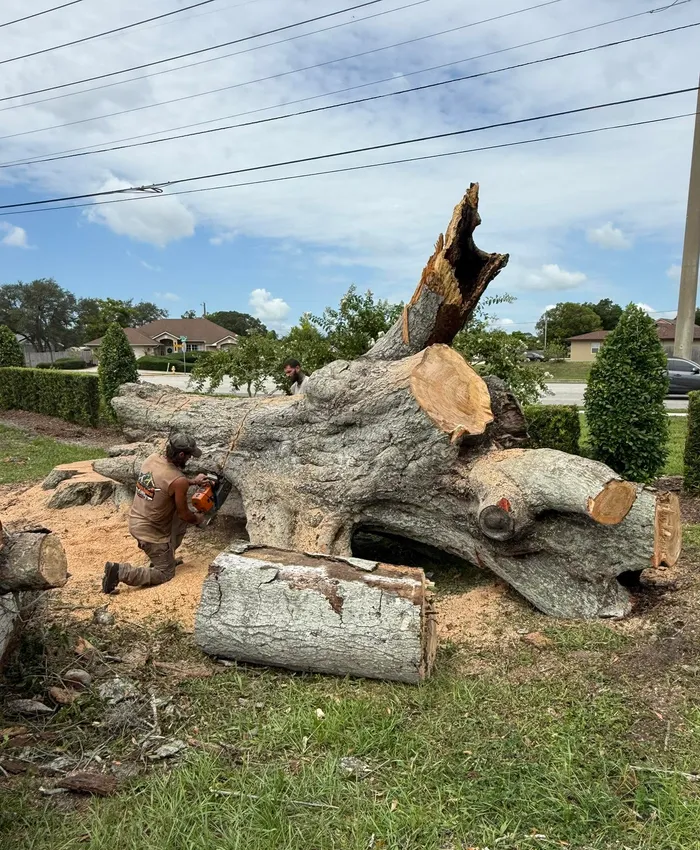
Emergency work is where you see the real difference between crews. After a hurricane or a straight-line wind event, the phone rings off the hook. The companies that respond quickly and safely are the ones that plan ahead. They stage equipment, pre-stock fuel, and run multiple crews. If you live in an area that gets tropical storms, knowing which tree service can handle emergency calls before the next big one hits is a smart move.
Firewood as a Side Benefit
Many tree services also sell firewood, which is a practical way to use wood that would otherwise go to a landfill. If you burn wood for heat or recreation, buying from a company that already has the logs on site can save you a trip to the store. Seasoned hardwood burns cleaner and produces more heat than fresh-cut wood, so ask how long the wood has been split and stacked. Some companies will deliver by the truckload, and others let you pick up from the yard. It is worth asking about when you schedule the job.
Reading the Estimate
A good estimate is detailed. It should list the work to be done, the equipment used, cleanup expectations, and the total cost. Vague estimates often lead to surprises when the final bill comes. Watch for line items like stump removal, debris hauling, and permits. Some municipalities require a permit for tree removal, especially for protected species or trees in the right-of-way. A responsible company will help you navigate that process or at least tell you what is needed.
Cost varies by tree size, location, and complexity. A straightforward removal in an open yard costs less than one where the tree is tangled in power lines or close to the house. Crane work adds expense but can be the safest option for large trees in tight spots. Do not automatically pick the lowest bid. Sometimes a slightly higher price reflects better insurance coverage, more experienced climbers, or proper disposal practices. Ask questions if something seems off.
What Happens After the Tree Comes Down
Cleanup is part of the job. A professional crew leaves the site in good shape. They rake up debris, grind stumps if that was part of the agreement, and haul away the brush. Some companies chip everything on site and leave the chips for mulch, which can be a nice bonus for your garden beds. Others take all material with them. Clarify this before work starts, because assumptions on cleanup cause the most friction after a job.
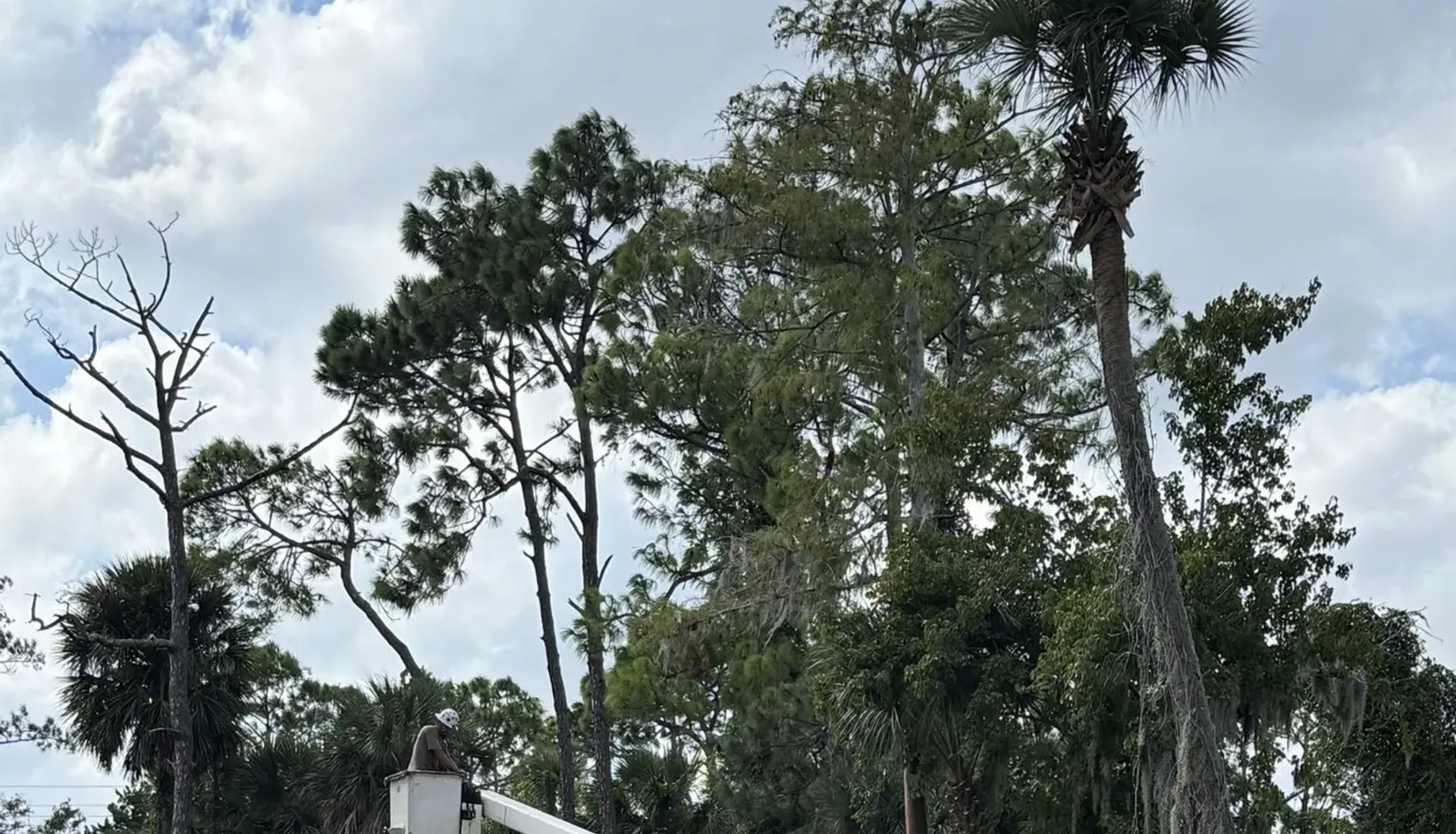
Stump grinding is usually an extra service, not included in a basic removal quote. If you want the stump gone, say so upfront. Grinding a stump to six inches below grade lets you level the area and plant grass. For larger stumps, the grinding may take a bit longer, but the result is a smooth surface that does not trip the mower.
Seasonal Considerations
Timing matters. In Florida, the growing season runs long, and trees put on new growth quickly. Late winter or early spring is often ideal for pruning before the flush of new leaves. Hurricane season, from June through November, keeps tree services busy with storm prep and cleanups. Scheduling routine work outside of that window can mean faster service and sometimes lower rates.
If you have a tree that looks weak or has split trunks, do not wait for a storm to force the issue. A proactive removal is safer and often cheaper than an emergency call in the middle of the night. The same goes for dead limbs overhanging the roof. They may look stable in dry weather, but a heavy rain or wind can bring them down.
Red Flags to Watch For
A few warning signs should send you looking for another company. Door-knocking crews that offer a cheap price on the spot are often uninsured and may lack proper equipment. High-pressure sales tactics do not belong in this business. Also be wary of companies that demand full payment upfront. A small deposit is normal, but the bulk should be due after the work is completed to your satisfaction.
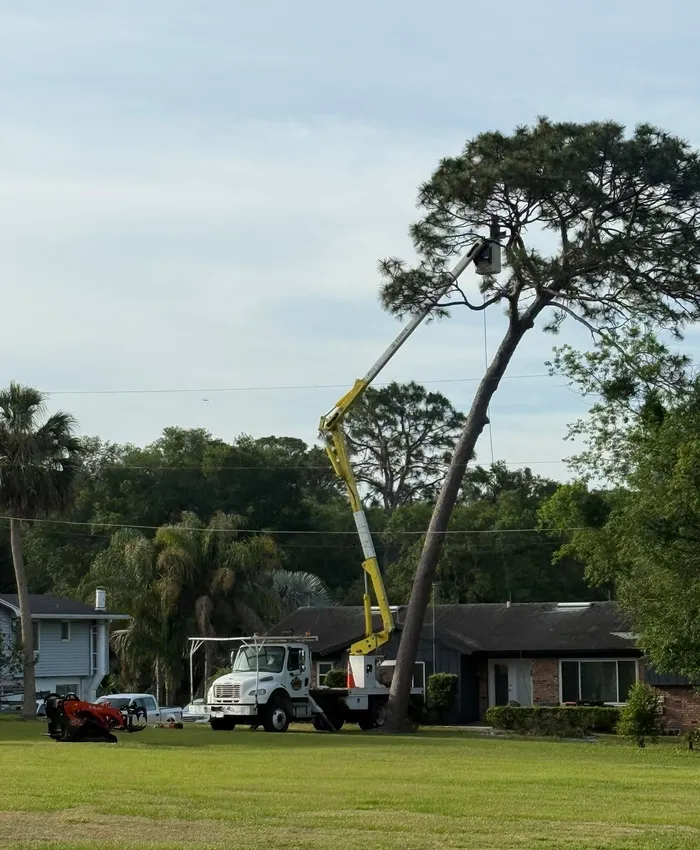
Another red flag is a crew that refuses to use ropes or rigging. Ropes protect the surrounding landscape and structures. If they say they will just drop everything and clean up the mess, that is a sign of inexperience or carelessness. A proper tree service takes the time to lower branches safely.
Final Thoughts
Finding a reliable tree service comes down to asking the right questions and paying attention to how the company handles the estimate process. Insurance, experience, and clear communication matter more than a low price. Do a little homework before you need emergency work, and you will have a trusted number ready when the weather turns.
If you are in Volusia County and looking for a locally rooted option, Volusia Bobcat & Tree Service operates out of 210 Valencia Rd, DeBary, FL 32713, USA, and can be reached at +1 386-675-7898. They provide professional tree removal, trimming, stump grinding, emergency services, and firewood sales to homeowners and businesses in the area.
Connect with us on Facebook.